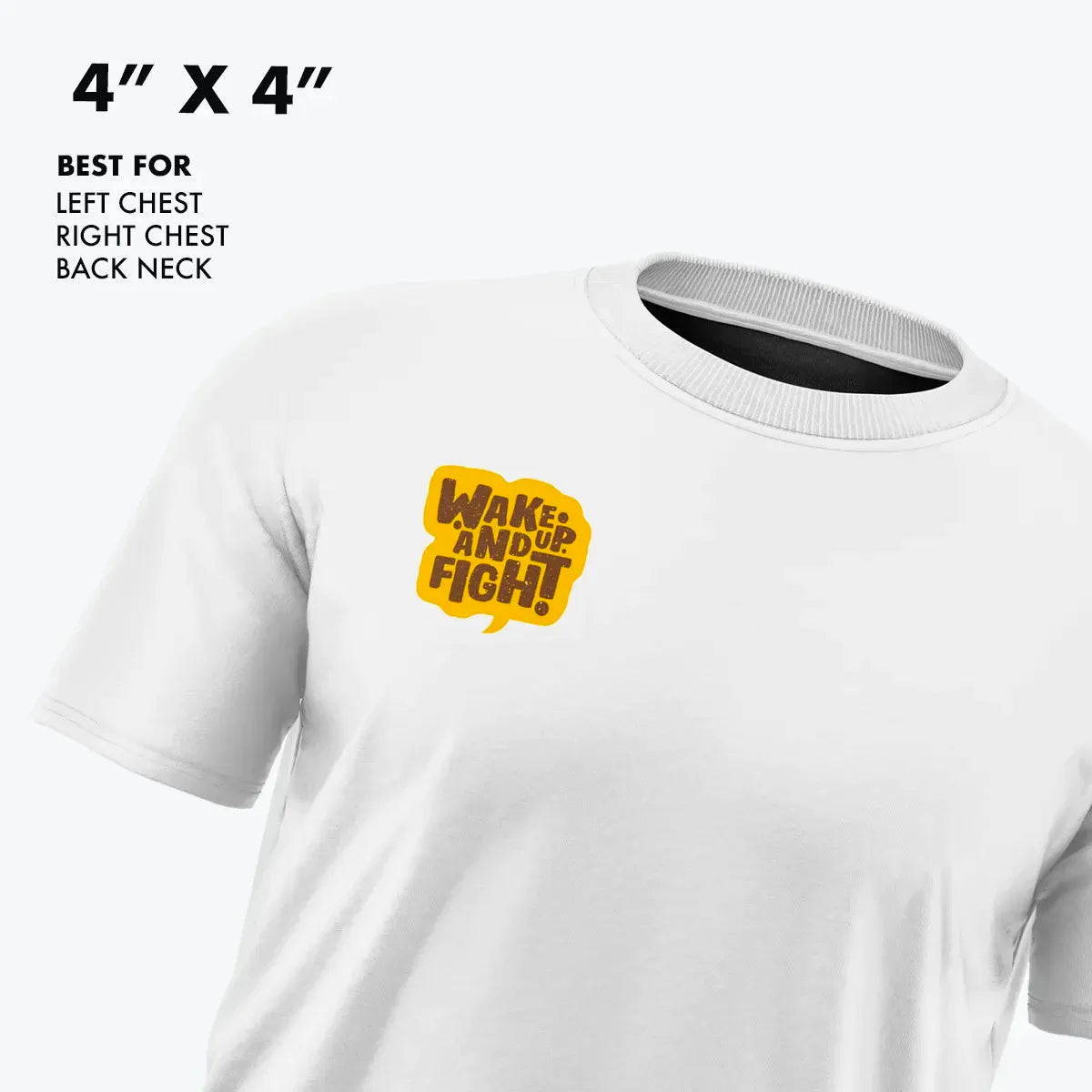
When entering the world of custom apparel decoration, understanding the intricacies of design processes is paramount. One of the most crucial elements that can greatly impact the outcome of your designs is the use of a size chart, particularly in Direct-to-Film (DTF) transfers. This essential tool not only aids in achieving the desired fit but also ensures that your designs translate perfectly onto various garment types. Small to medium-sized business owners and hobbyists alike can benefit immensely from knowing how to effectively utilize size charts to improve their design workflows.
The significance of a well-structured size chart extends beyond merely providing measurements. It acts as a bridge between your creative ideas and the final product, allowing you to visualize how your designs will appear on different sizes. For entrepreneurs involved in t-shirt businesses, sports teams, or event organizing, having a reliable size chart can mean the difference between satisfied customers and returns due to sizing issues. The DTF transfer method, known for its high-quality and vibrant outputs, requires precise measurements to ensure the best results, which brings the importance of a size chart to the forefront.
In this article, we will explore various aspects of how a DTF transfers size chart can boost your design process, providing you with actionable insights and practical examples. From understanding the essentials of sizing to implementing best practices in your design workflow, this guide is tailored specifically for those engaged in the custom apparel sector. By the end, you will not only grasp the importance of size charts but also learn how to leverage them for enhanced design efficiency and customer satisfaction.
Accurate sizing is a fundamental aspect of custom apparel design, particularly when using DTF transfer technology. If the sizes are not correctly matched to the designs, the final product can lead to disappointment among customers. Many businesses lose potential sales due to sizing errors, making it imperative to understand how size charts play a vital role in the design process. For instance, using a comprehensive size chart can help businesses determine the exact dimensions needed for each garment type, ensuring a perfect fit for a diverse customer base. dtf printing by size
Furthermore, a well-defined size chart allows designers to create mock-ups that accurately reflect the end product. This is especially crucial for businesses that operate in niche markets, where customer preferences regarding fit can vary significantly. For example, a sports team might require a specific fit for their jerseys, which differs from standard t-shirt sizes. Thus, utilizing a tailored size chart that reflects these nuances can enhance customer experience and satisfaction.
Additionally, understanding the importance of accurate sizing can also reduce waste. When designs are created without considering proper measurements, the likelihood of producing incorrectly sized garments increases, leading to wasted materials and resources. By incorporating a DTF transfers size chart into the design process, businesses can minimize these pitfalls and create a more sustainable operation.
Creating an effective custom size chart involves several steps that ensure it meets the needs of your target audience. Start by gathering data on your specific customer demographics, as this will guide you in determining the most relevant sizes to include. Next, conduct thorough research on standard sizing within your industry, which can serve as a baseline for your size chart. This approach not only provides a framework but also allows you to make necessary adjustments based on your unique customer requirements.
Another critical component is the inclusion of measurement guidelines. Ensure that your size chart outlines how customers should measure themselves for accurate sizing. This can include information on where to measure (e.g., chest, waist, hips) and in what manner (e.g., snugly or loosely). Providing clear visual aids alongside written instructions can significantly enhance understanding and encourage customers to select the correct size. custom size dtf transfers
Once your size chart is created, testing and validation become essential steps in ensuring its effectiveness. One practical approach is to conduct fit tests with actual customers or a focus group. This hands-on method allows you to gather feedback on the accuracy and usability of your size chart. Additionally, consider monitoring return rates related to sizing issues after implementing your chart, as this data can provide valuable insights into its success or areas for improvement.
Furthermore, it’s crucial to remain flexible and willing to make adjustments over time. As your business grows and your customer base evolves, so too should your size chart. Regularly reviewing and updating the chart based on customer feedback and industry trends will help maintain its relevance and effectiveness.
Integrating a size chart into your design workflow can streamline the entire process, enhancing both efficiency and quality. Start by ensuring that all design team members are familiar with the size chart and its significance. This familiarity will lead to a more cohesive approach when creating designs that need to fit various garment sizes.
Moreover, during the design phase, make it a practice to reference the size chart frequently. Incorporating measurements directly into your design software can facilitate easy adjustments and ensure that all designs adhere to the specified sizes. For instance, if you're designing a logo to be placed on a t-shirt, knowing the precise area available for printing based on size can significantly influence your design decisions.
Additionally, consider utilizing digital tools that allow for real-time adjustments based on size inputs. Many modern design software options offer features that accommodate size variations, making it easier to visualize how a design will look on different sizes. This proactive approach can significantly reduce the need for revisions later in the process, saving time and resources.